

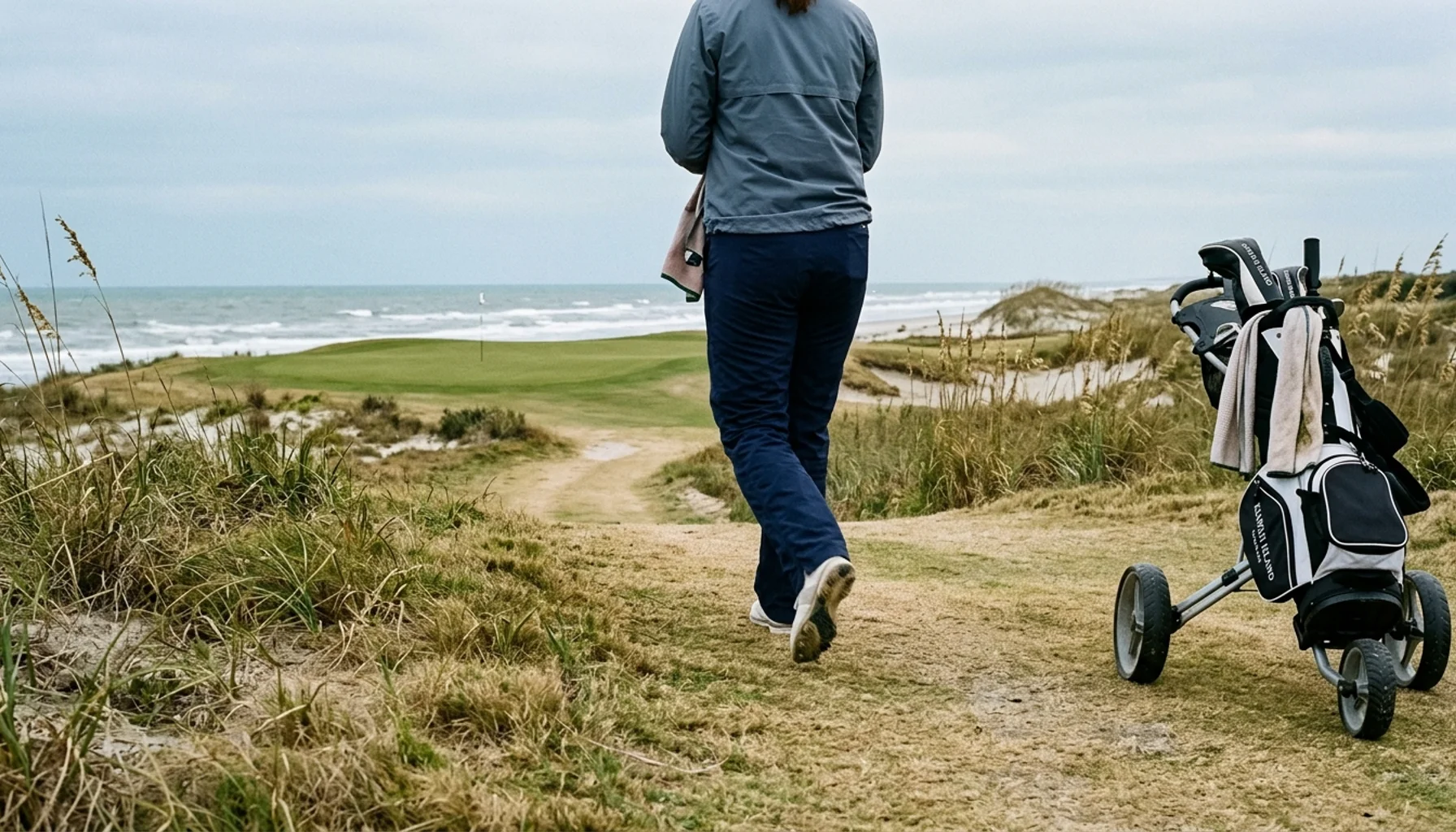
The golf courses at Kiawah Island include five public championship layouts and two private ones, giving you seven world-class options within a few miles of each other on the South Carolina coast. The short answer to which one to play: if you only have one round, book The Ocean Course at Kiawah Island. If you have a week, play all five public golf courses at Kiawah in order of difficulty and save the Ocean Course for last.
Table of Contents
- How Many Golf Courses Are There at Kiawah?
- What Is the Most Famous Golf Course on Kiawah Island?
- Is Kiawah Golf Open to the Public?
- What Is the Main Course at Kiawah Island?
- How Do the Five Public Courses Compare in Difficulty?
- What Are the Two Private Kiawah Island Club Courses?
- What Does It Cost to Play Golf Courses on Kiawah?
- Which Kiawah Course Is Best for Your Skill Level?
- What Is the Best Time of Year to Play Golf on Kiawah Island?
- How Do You Book Tee Times at Kiawah Island Golf Resort?
- What Practice Facilities and Caddy Services Are Available?
- Where Should You Stay for a Kiawah Golf Trip?
- Frequently Asked Questions
- Kiawah Island has 7 championship golf courses total: 5 open to resort guests and 2 private Kiawah Island Club courses.
- The Ocean Course, designed by Pete Dye, is ranked 1st in South Carolina for public-access courses by Golfweek in 2026 and 1st among U.S. resort courses by GOLF Magazine in 2026.
- Green fees range from roughly $150 to $600 depending on course, season, and tee time.
- Cougar Point, redesigned by Gary Player in 2017, is the best-value round on the island for mid-handicap players who want quality without Ocean Course difficulty or pricing.
- Book tee times at least 60 to 90 days in advance for peak season, especially for the Ocean Course during spring and summer.
- Guests staying at Kiawah Island Getaways properties near Cougar Point and Turtle Point can walk or bike to those courses directly.
Ask any serious golfer where the golf courses at Kiawah Island rank on their bucket list and you will get the same answer: near the top, anchored by one of the most punishing and beautiful courses in American golf. But the island offers far more than one round. The five public golf courses on Kiawah span a remarkable range of settings, from marsh and maritime forest to oceanfront holes that play directly above the Atlantic surf.
At Kiawah Island Getaways, we manage properties across the island and work with golf travelers every season. The question we hear most is not just which course to play, it is which order to play them in, what to realistically budget, and which properties put you within walking distance of the tee. This guide answers all of it.
Kiawah Island sits approximately 25 miles southwest of Charleston, South Carolina, which means you can combine a world-class golf trip with one of the country’s great coastal cities. The golf courses at Kiawah Island range from a welcoming Gary Player design ideal for high-handicappers to a Pete Dye masterpiece that hosted the 2021 PGA Championship. Knowing the difference before you book saves money and prevents the frustrating experience of playing the wrong course for your game.
How Many Golf Courses Are There at Kiawah?
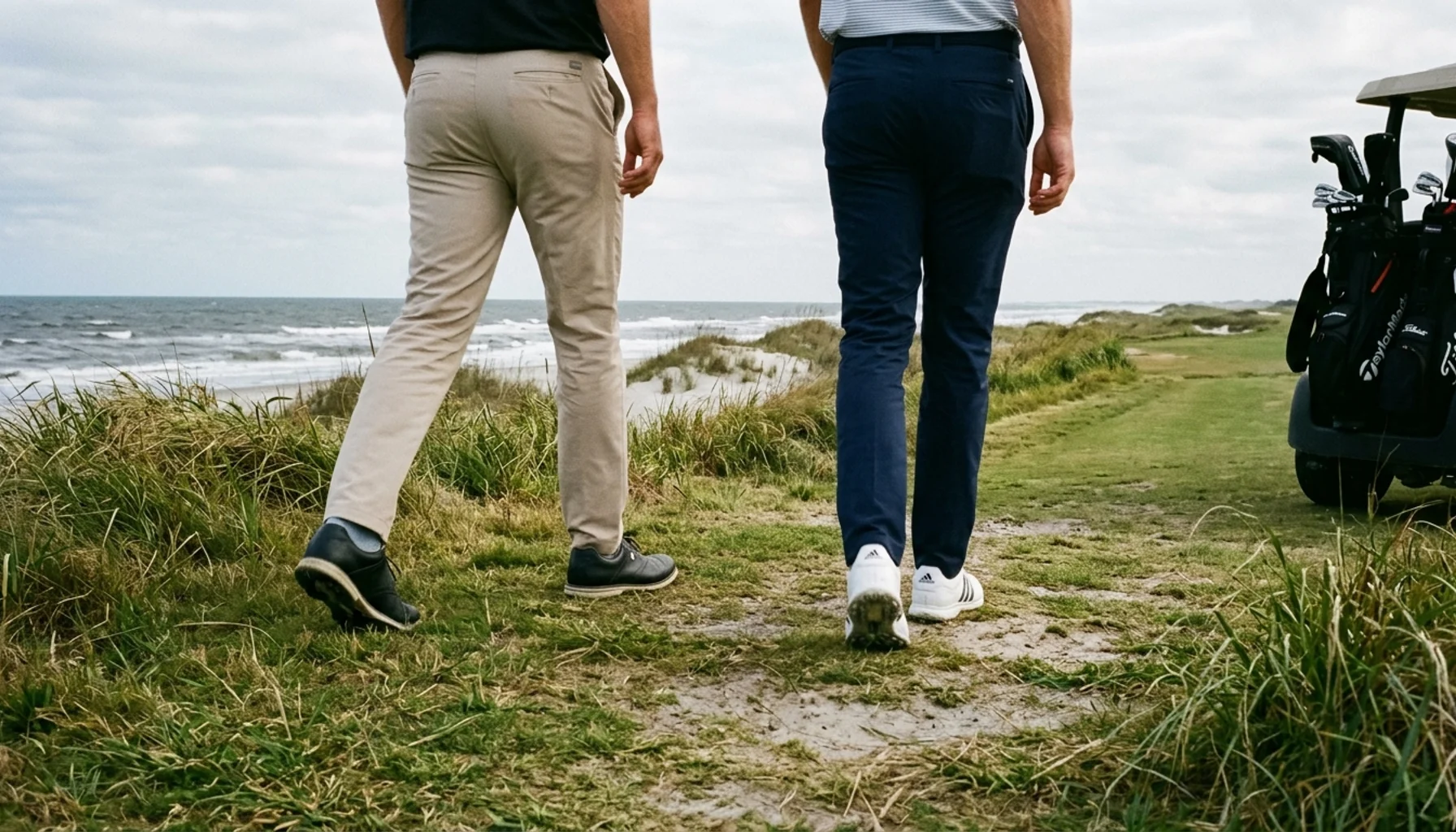
Kiawah Island has seven championship golf courses in total. Five of those courses operate under the Kiawah Island Golf Resort brand and are open to resort guests and the public: The Ocean Course, Osprey Point, Turtle Point, Cougar Point, and Oak Point. The remaining two, River Course and Cassique, belong to the private Kiawah Island Club and require membership or a member invitation to access.
Each of the five public golf courses at Kiawah was designed by a different architect, which makes the collection genuinely unusual. Pete Dye, Tom Fazio, Jack Nicklaus, Gary Player, and Clyde Johnston each left a signature on a different piece of Kiawah’s landscape. No two layouts feel alike: the Ocean Course is all wind and exposure, while Oak Point winds through quiet tidal marsh with almost no oceanfront drama. That variety is one reason serious golfers return year after year.
The two private courses add two more world-class layouts to the island’s total. Cassique, designed by Tom Watson and opened in 2000, is ranked 8th among GOLF Magazine’s Top 100 U.S. Private Courses in 2026, which puts it among the most distinguished private courses in the country. The River Course, a Tom Fazio design on Johns Island that opened in 1995, stretches to 7,039 yards. Both are genuinely exceptional, but unless you know a member, your focus will be on the five resort courses.

What Is the Most Famous Golf Course on Kiawah Island?
The Ocean Course at Kiawah Island Golf Resort is the most celebrated of all the golf courses at Kiawah and one of the most famous public-access courses in the United States. Designed by Pete Dye and opened in 1991, the Ocean Course features 10 holes that run directly along the Atlantic Ocean, making it the most oceanside layout of any resort course in North America. It hosted the 1991 Ryder Cup, the 2012 and 2021 PGA Championship, and ranks 1st in South Carolina for public-access courses by Golfweek in 2026 and 1st among U.S. resort courses by GOLF Magazine in the same year.
The course is located at 1000 Ocean Course Drive, Kiawah Island, SC 29455. Its USGA course rating of 79.1 and slope of 155 from the back tees, according to the USGA Course Rating and Slope Database, place it among the most difficult public courses in the country. Most recreational golfers should play from the forward tees, where the rating drops significantly and the experience remains extraordinary without the humiliation of a 95-plus score.
Hole 13 deserves specific attention. GOLF Magazine lists it among the Top 100 Best Holes in the United States. It plays into the prevailing wind with the ocean running the entire left side, and the green is elevated just enough to make club selection genuinely agonizing. Come prepared to enjoy it rather than conquer it.
You can preview the layout in detail using the Ocean Course hole-by-hole flyover video, and check live conditions before your round with the live webcam overlooking the Ocean Course. Both tools are genuinely useful for preparation rather than just curiosity.
Is Kiawah Golf Open to the Public?
Yes, Kiawah Island golf is open to the public through the five resort courses operated by Kiawah Island Golf Resort. Any guest staying on Kiawah Island, or any visitor booking a tee time directly through the resort, can play The Ocean Course, Osprey Point, Turtle Point, Cougar Point, and Oak Point. You do not need a membership or a resort stay to book, though resort guests and villa renters often receive preferred tee time access and, in some cases, discounted rates depending on their booking channel.
Osprey Point stands out here: it was previously a private course and is now open to the public through Kiawah Island Golf Resort. That transition expanded guest access considerably, and Osprey Point has become one of the more sought-after rounds on the island for golfers who want Tom Fazio design at a slightly lower price point than the Ocean Course.
The two Kiawah Island Club courses, River Course and Cassique, are strictly private. No amount of resort booking unlocks access to them. If playing Cassique is on your list, your only path is through a current member. That exclusivity is part of what keeps both courses in pristine condition and consistently ranked among the country’s finest private layouts.
For current access rules and course availability, the Kiawah Island Golf Resort golf page is the most reliable source. Resort access policies and guest privileges shift seasonally, so check directly before you plan.
What Is the Main Course at Kiawah Island?
The main course at Kiawah Island, by any measure, is The Ocean Course. It is the highest-ranked, most photographed, and most discussed of all the golf courses at Kiawah. When people say they are traveling to Kiawah Island to play golf, they almost always mean they intend to play the Ocean Course, even if they fit in additional rounds at Turtle Point or Cougar Point around it.
That said, many golfers assume the main course is the most appropriate one for their skill level. It is not, for most recreational players. The Ocean Course is a championship layout built for tour professionals and low-handicap amateurs. Its 79.1 course rating from the back tees and 155 slope reflect a course that actively punishes wayward shots with wind, water, and strategically placed waste areas. Most visitors should play from the white or green tees, which provide a more realistic experience for mid-handicappers.
If you are building a multi-round trip, treat the Ocean Course as the main event and schedule it thoughtfully. Playing it on day one, before you have adjusted to Kiawah’s wind patterns and green speeds, is a common mistake. A round at Cougar Point first gives you a feel for the island’s conditions without the high stakes of the Ocean Course scorecard.
How Do the Five Public Courses Compare in Difficulty?
The five public golf courses at Kiawah Island Golf Resort range significantly in difficulty, setting, and character. Here is a direct comparison to help you match your game to the right layout.
The Ocean Course
Pete Dye designed the Ocean Course in 1991, and it remains the hardest and most visually dramatic of the five public options. Ten of its eighteen holes run directly along the Atlantic. The prevailing southwest wind changes its character entirely depending on the day. Green fees range from approximately $200 to $600 depending on season, tee time, and demand. This is the course you build a trip around, not a warm-up round.
Osprey Point
Tom Fazio designed Osprey Point, which was previously private and opened to resort guests after a transition in ownership and access. It is located at 700 Governors Drive and plays through maritime forest, around three natural lakes, and across tidal marshland. Green fees typically range from $200 to $400. For golfers who want a Fazio design at a more manageable difficulty than a pure ocean course, Osprey Point delivers. The setting is quieter and the wind exposure far less punishing than the Ocean Course.
Turtle Point
Jack Nicklaus designed Turtle Point, located at 1 Turtle Point Lane, and it features three oceanfront holes that rank among the most photographed on the island. Green fees range from roughly $150 to $300. The course plays through Kiawah’s maritime forest before opening onto the Atlantic for a memorable stretch of oceanside golf. It is a genuine test for mid-handicappers, though more forgiving than the Ocean Course. Golfers staying at The vV at Turtle Point, a lagoon-view villa managed by Kiawah Island Getaways, can reach the course with a short walk through the Turtle Point neighborhood.
Cougar Point
Gary Player designed Cougar Point, and a 2017 renovation elevated it to the second-best course at Kiawah Island Golf Resort by most accounts. It runs along the Kiawah River with sweeping marsh views throughout. After the renovation, the course plays tighter and demands more precision than it did before 2017, but it remains the most accessible of the five for high-handicap players who still want a scenic, well-maintained round. Families and groups staying on West Beach, including guests at The Tidehaus at Duneside, can walk or bike to Cougar Point directly from the property.
Oak Point
Clyde Johnston designed Oak Point, and it is the most understated of the five resort courses. The layout winds through tidal marsh and maritime forest near the Kiawah River and Haulover Creek. It carries the lowest green fees of the five courses and plays as the most beginner-friendly option among the golf courses at Kiawah. Oak Point will not challenge a scratch player, but for high-handicappers or golfers who want a relaxed, beautiful round without the pressure of the Ocean Course, it is a genuinely pleasant afternoon. Guests renting The Shell Seeker at Sparrow Pond are within easy reach of Oak Point and the island’s quieter western neighborhoods.
| Course | Designer | Setting | Difficulty | Green Fee Range |
|---|---|---|---|---|
| The Ocean Course | Pete Dye | Oceanfront (10 holes) | Very High | $200 to $600 |
| Osprey Point | Tom Fazio | Lakes and marsh | High | $200 to $400 |
| Turtle Point | Jack Nicklaus | Forest and oceanfront | Moderate-High | $150 to $300 |
| Cougar Point | Gary Player | Kiawah River marsh | Moderate | Lower range |
| Oak Point | Clyde Johnston | Tidal marsh and forest | Lower | Lowest of five |
What Are the Two Private Kiawah Island Club Courses?
The two private courses at Kiawah Island are Cassique and River Course, both operated by the Kiawah Island Club. They are not accessible to resort guests or the general public. Access requires Kiawah Island Club membership or an invitation from a current member.
Cassique, designed by Tom Watson and opened in 2000, is located at 100 Old Cedar Lane, Johns Island, SC 29455. It plays to 6,960 yards as a par-72 layout. GOLF Magazine ranks it 8th among the Top 100 U.S. Private Courses in 2026, which puts it among the most distinguished private courses in the country. Green fees, when accessed through a member arrangement, are reported in the $150 to $300 range.
The River Course, a Tom Fazio design that opened in 1995, is located at 10 River Course Lane, Johns Island, SC 29455. It plays to 7,039 yards as a par-72 layout through Lowcountry terrain. Green fees through member access are similarly in the $150 to $300 range.
Both courses occupy their own category. If you have the connection to play either one, prioritize Cassique for the Watson design and the experience of a layout that routinely ranks among the country’s finest private tracks. Most Kiawah golf trips, though, are built entirely around the five public resort courses, which provide more than enough world-class golf for a full week.
What Does It Cost to Play Golf Courses on Kiawah?
Golf costs on Kiawah Island vary significantly by course, season, and tee time. The Ocean Course commands the highest fees of any public resort course among the golf courses at Kiawah, with rates ranging from approximately $200 in the off-season to $600 during peak demand periods, including major tournament weeks and summer prime times. Osprey Point typically falls in the $200 to $400 range, while Turtle Point runs roughly $150 to $300. Cougar Point and Oak Point generally carry the lowest fees among the five public options.
Package deals through Kiawah Island Golf Resort can reduce the per-round cost meaningfully, particularly for multi-night stays that bundle accommodations with golf. If you are planning three or more rounds, comparing a stay-and-play package against booking each component separately is worth the fifteen minutes it takes. The resort’s official tee time booking platform shows current rates and availability across all five courses, which makes direct comparison straightforward.
One practical note on value: the Ocean Course is the most expensive but also the most irreplaceable. You cannot replicate that experience at a lower price point anywhere else on the island. Cougar Point, by contrast, offers a post-renovation layout with genuine marsh scenery and solid course conditioning at a fraction of Ocean Course pricing. For golfers on a budget who want quality without the Ocean Course premium, Cougar Point is the right call.
If you are shipping clubs rather than checking them, Ship Sticks to Kiawah Island Golf Resort has a dedicated landing page for resort deliveries, which simplifies logistics for out-of-state travelers considerably.
Which Kiawah Course Is Best for Your Skill Level?
Matching your handicap to the right Kiawah Island golf course makes the difference between a memorable round and a frustrating one. Here is a direct recommendation by skill level.
Scratch to 5 Handicap
Play the Ocean Course from the back tees. The course rating of 79.1 and slope of 155 will challenge you in ways few public courses in the country can. Add Osprey Point as a second round, where Tom Fazio’s routing demands precision through tight fairways and around water. If you have a third day, Turtle Point gives you oceanfront drama with a slightly more forgiving layout than the Ocean Course.
6 to 15 Handicap
The Ocean Course is still worth playing, but book from the white or green tees. Cougar Point is an excellent complementary round: the 2017 Gary Player renovation tightened the design, and the marsh scenery along the Kiawah River provides a genuinely distinct setting from the oceanfront experience. Turtle Point is another strong choice for this range, with three oceanfront holes and manageable challenge through the forest sections. Groups in this handicap range staying at The Escape at Windswept or The Tidewater at Windswept will find both properties well positioned for reaching multiple courses across the island.
16 Handicap and Above
Start at Oak Point. The Clyde Johnston design is the most welcoming of the five resort courses, plays through beautiful tidal terrain, and will not punish errant shots as severely as the Ocean Course. Cougar Point is an excellent second round. If budget allows, try the Ocean Course from the forward tees for the scenery alone, but go in knowing the score will be high and that the experience is worth it regardless.
For anyone planning a golf trip that includes players of mixed ability, Cougar Point is the course that works best for a group. It plays well from multiple tee positions without leaving beginners demoralized or scratch golfers bored.
What Is the Best Time of Year to Play Golf on Kiawah Island?
The best time to play golf on Kiawah Island is spring, specifically March through May, and fall, specifically September through November. During these shoulder seasons, temperatures on the South Carolina coast typically range from the mid-60s to low 80s Fahrenheit, humidity is lower than summer, and afternoon thunderstorms are less frequent. Course conditions are generally at their finest in late spring, when superintendents have had time to prepare greens after winter dormancy.
Summer, particularly June and July, brings the highest demand and the highest prices. Kiawah Island short-term rental data shows June as the peak revenue month for the island overall, which reflects how many visitors arrive specifically for golf and beach during that period. Playing in summer is absolutely viable, but expect higher green fees, tighter tee time availability, and significant heat by early afternoon. Morning tee times before 8:30 a.m. are strongly recommended in July and August.
Winter is the most affordable window. Green fees drop considerably from December through February, and the courses are rarely crowded. The Ocean Course in particular plays differently in winter, with firmer conditions and less vegetation blocking the wind. For low-handicap players who want an Ocean Course challenge without peak pricing, a January or February trip is worth serious consideration. Pack layers; mornings can be genuinely cold, though rarely below freezing on the island.
One additional seasonal note: the week of any major golf event or Charleston-area tournament will see sharp price increases and compressed tee time availability across all five golf courses at Kiawah. Check the Kiawah Island Golf Resort Special Events calendar before locking in dates if pricing flexibility matters to your trip planning.
How Do You Book Tee Times at Kiawah Island Golf Resort?
Book tee times at Kiawah Island Golf Resort directly through the resort’s official system rather than through third-party aggregators. The official tee time booking platform for Kiawah Island Golf Resort shows real-time availability across all five public courses, current pricing tiers, and any package combinations available at the time of booking.
How far in advance should you book? For the Ocean Course during peak season, 60 to 90 days ahead is a reasonable planning window, particularly for weekend tee times in April, May, June, and September. Ocean Course tee times during major event weeks can be claimed within hours of release. For Cougar Point, Oak Point, or Turtle Point during shoulder seasons, two to four weeks of lead time is often sufficient, though earlier is always safer.
A few practical booking tips worth knowing. First, the Ocean Course sometimes releases additional tee time slots within 24 to 48 hours of the round date due to cancellations. If you are flexible on date, checking availability closer to your arrival can occasionally reveal openings. Second, resort guests and villa renters who book directly through the resort often gain preferred access windows. Third, if you plan to study the Ocean Course layout in advance, the digital yardage book for The Ocean Course via Strackaline provides green contour detail that dramatically improves approach shot strategy.
The Kiawah Island Resort Interactive Map is also genuinely useful for understanding course locations relative to your accommodation before you arrive. Knowing whether your rental is closer to Cougar Point or Turtle Point affects everything from morning logistics to post-round dining choices.
What Practice Facilities and Caddy Services Are Available?
The Ocean Course clubhouse operates the most comprehensive practice area among all the golf courses at Kiawah, including a full-length driving range, short game area, and putting green. Arriving 45 to 60 minutes before your tee time to warm up on the Ocean Course range is particularly valuable because the range gives you an early read on the day’s wind direction and speed, which will define your entire round.
Caddy service is available at the Ocean Course and is one of the better investments you can make for a first visit. An Ocean Course caddy brings specific knowledge of how greens break, how wind affects particular holes differently throughout the day, and which approach angles protect against the most punishing miss directions. Caddy fees at the Ocean Course typically run $100 to $125 per bag, with gratuity expected on top of that: budget an additional $50 to $75 per caddy as a standard tip for a full 18-hole loop. For a once-in-a-decade bucket list round, that local knowledge pays dividends on nearly every hole. Contact the resort at 843-266-4020 to confirm current caddy availability before your visit, as slots fill quickly during peak season.
Golf instruction is available through the resort’s academy programs, which offer both individual lessons and multi-day clinics. For serious players who want to improve before or during a Kiawah trip, the instruction programs draw on access to all five courses as a training environment, which is unusual and genuinely valuable. Details on current academy scheduling are available through the Kiawah Island Golf Resort golf page.
For golfers interested in a deeper strategic breakdown of the Ocean Course specifically, including hole-by-hole strategy notes, our dedicated Ocean Course player’s guide covers the layout in detail that this overview cannot fully replicate.
Where Should You Stay for a Kiawah Golf Trip?
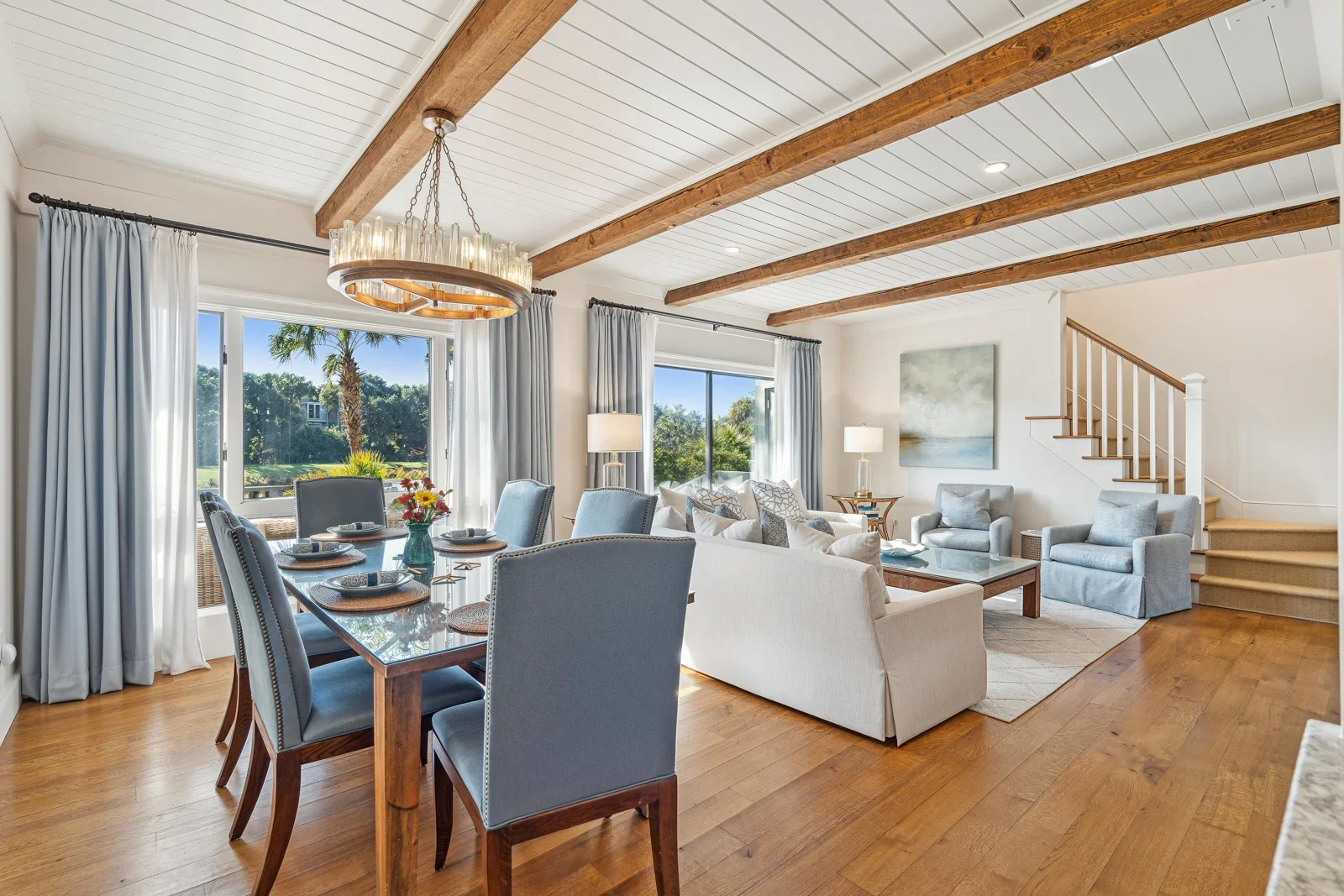
Where you stay on Kiawah Island directly affects your golf trip logistics. Your two broadest choices are staying within the resort system, which includes The Sanctuary Hotel and resort-managed villas, or staying in a privately managed rental home or villa that may offer more space and privacy at a comparable or lower cost.
For golf groups of four to eight, a private rental home with enough bedrooms for the full group is almost always the better choice over individual hotel rooms. The ability to share a kitchen for pre-round breakfast, gather after a round without heading to a hotel bar, and have space to review scorecards and replay every hole together is part of what makes a Kiawah golf trip memorable rather than just logistically convenient.
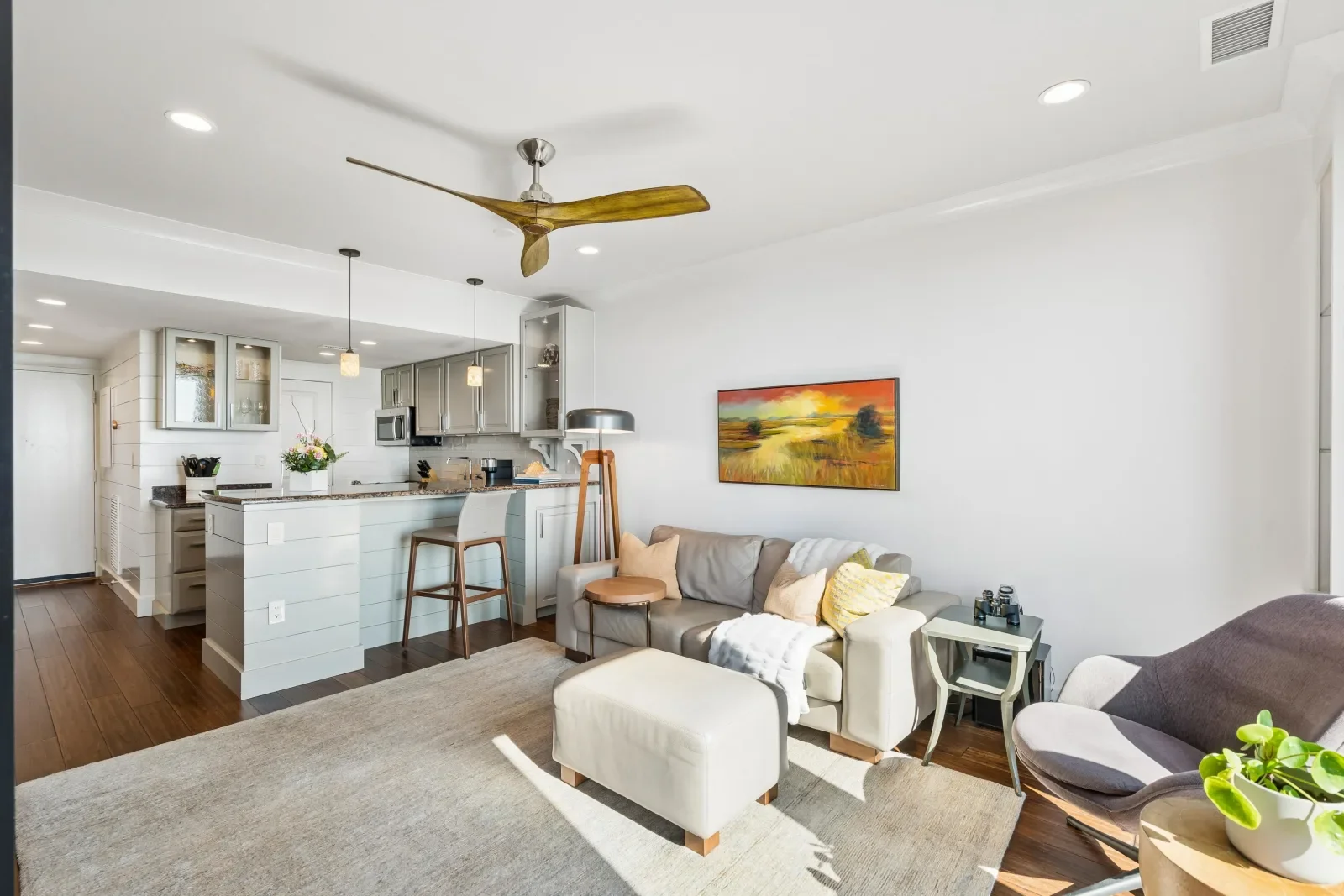
Location relative to the courses matters. West Beach properties put you within easy reach of Cougar Point, which is walkable or bikeable from several West Beach addresses. The Tidehaus at Duneside, for example, sits on West Beach with direct proximity to Cougar Point Golf Course, the community pool, and miles of Kiawah’s paved bike paths. Turtle Point is similarly accessible from villa neighborhoods in the Turtle Point area, such as The vV at Turtle Point, where guests enjoy lagoon views and a short walk to both the beach and the course. Read our guide to places to stay on Kiawah Island for a fuller breakdown of how location affects access to different parts of the island.
Golf groups who want oceanfront views between rounds, rather than just convenient course proximity, should look at properties on West Beach or East Beach. Several Kiawah Island Getaways properties combine oceanfront positioning with golf course access, including The Ocean Blue at Seascape and The Breeze at Seascape, both located near Cougar Point on West Beach. For couples on a golf trip who want a compact, elegant base, The Vista at Shipwatch offers oceanfront views on West Beach with easy access to all five golf courses at Kiawah and 30 miles of paved bike paths.
One practical consideration for golf groups: confirm whether your rental includes golf cart storage or a dedicated area for equipment. Kiawah Island Getaways properties with golf course access are listed with that amenity specifically noted, so you can filter by it when browsing the full vacation rentals collection.
For families combining a golf trip with beach days and other activities, our guide to things to do on Kiawah Island for families covers what to plan around the golf schedule for non-golfing members of the group.
Frequently Asked Questions
How many golf courses are there at Kiawah Island?
Kiawah Island has seven championship golf courses in total. Five are public resort courses operated by Kiawah Island Golf Resort: The Ocean Course, Osprey Point, Turtle Point, Cougar Point, and Oak Point. The remaining two, Cassique and River Course, are private courses belonging to the Kiawah Island Club and require membership or a member invitation to access.
What is the most famous golf course on Kiawah Island?
The Ocean Course, designed by Pete Dye and opened in 1991, is the most famous of all the golf courses at Kiawah. It hosted the 1991 Ryder Cup and the 2012 and 2021 PGA Championship. Golfweek ranks it 1st among public-access courses in South Carolina in 2026, and GOLF Magazine ranks it 1st among U.S. resort courses in the same year. Ten of its eighteen holes run directly along the Atlantic Ocean.
Is Kiawah Island golf open to the public?
Yes, five of the seven golf courses at Kiawah are open to the public through Kiawah Island Golf Resort. The Ocean Course, Osprey Point, Turtle Point, Cougar Point, and Oak Point all accept resort guest and general public bookings. The two Kiawah Island Club courses, Cassique and River Course, are private and require membership or member access.
What are the green fees at the Ocean Course?
Ocean Course green fees range from approximately $200 in the off-season to $600 during peak demand periods, including major tournament weeks and prime summer tee times. Rates are dynamic and adjust based on season and demand. Booking directly through the resort’s official tee time platform shows current pricing in real time.
Which Kiawah Island golf course is best for beginners or high-handicap players?
Oak Point is the most beginner-friendly of the five public golf courses at Kiawah, offering manageable challenge through tidal marsh terrain with the lowest green fees of the group. Cougar Point, redesigned by Gary Player in 2017, is the next best option for high-handicappers: the marsh scenery is excellent, and the course plays well from multiple tee positions. Both are far more forgiving than the Ocean Course from the back tees.
Can you walk the golf courses at Kiawah Island?
Walking policies vary by course and season at Kiawah Island Golf Resort. The Ocean Course is typically a cart-required course due to its scale and the distances between holes along the oceanfront. Other courses, including Cougar Point and Turtle Point, may permit walking depending on conditions and time of day. Confirm current walking policies with the resort at booking, as they change seasonally.
How far in advance should I book a tee time at the Ocean Course?
For peak season rounds, specifically April through September and holiday weekends, booking 60 to 90 days in advance is strongly recommended for the Ocean Course. Tee times for this course disappear quickly during high-demand periods. For other resort courses like Cougar Point or Oak Point during shoulder seasons, two to four weeks of advance booking is generally sufficient.
What is Cassique and how do I access it?
Cassique is a private par-72 course designed by Tom Watson, opened in 2000, and located at 100 Old Cedar Lane, Johns Island, SC 29455. GOLF Magazine ranks it 8th among the Top 100 U.S. Private Courses in 2026. Access is limited to Kiawah Island Club members and their invited guests. It is not available through resort booking channels.
The Bottom Line on Kiawah Island Golf Courses
The golf courses at Kiawah Island represent one of the most complete collections of championship layouts in American resort golf. The five public courses alone span four distinct designers and five very different settings, from the windswept oceanfront of the Ocean Course to the quiet tidal forest of Oak Point. If you can only play one, play the Ocean Course. If you can play three, add Cougar Point and Turtle Point for a representative sample of everything the island offers.
The key practical points to carry into your planning: book the Ocean Course 60 to 90 days out during peak season, play from appropriate tee boxes for your handicap, and schedule the Ocean Course as your final round rather than your first. Kiawah’s wind will teach you things about your game that no inland course can, and those lessons are easier to absorb after a round or two of island adjustment at Cougar Point or Oak Point.
In 2026, the golf courses at Kiawah Island remain among the few in the country where a public golf trip genuinely competes with a private club experience in terms of course quality, conditioning, and setting. The Ocean Course ranks among the top public resort courses in the United States, and the four supporting layouts give every skill level a legitimate reason to make the trip from Charlotte, Atlanta, or anywhere else within a day’s drive of the South Carolina coast.
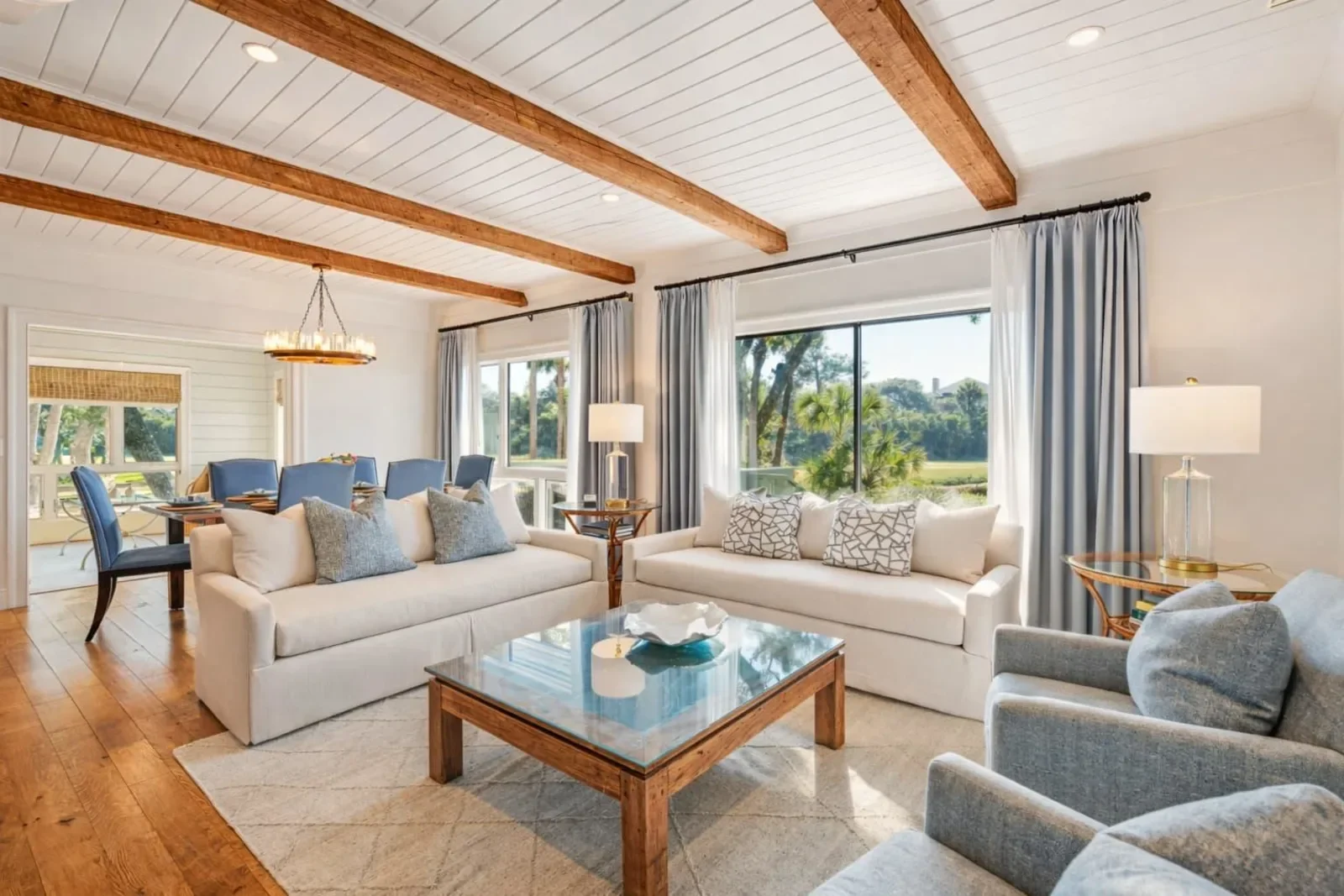
Planning a golf trip to Kiawah Island and need a home base that puts you close to the courses? Kiawah Island Getaways curates a portfolio of vacation rentals across the island, from oceanfront West Beach properties within walking distance of Cougar Point to lagoon-view villas in the Turtle Point neighborhood. Whether your group is two golfers or eight, there is a property matched to your trip. Browse current availability and find the right fit at Kiawah Island Getaways.
