


Property management on Kiawah Island, SC refers to the professional oversight of short-term rental homes and condominiums on the island, covering everything from listing optimization and dynamic pricing to guest communication, cleaning coordination, and regulatory compliance. For owners who live out of state, a qualified local manager is not optional equipment. It is the difference between a property that earns consistently and one that bleeds money through missed bookings, poor reviews, and maintenance problems caught too late.
- Kiawah Island’s STR market in 2026: According to AirRoi’s 2026 South Carolina market report, the island has 624 active listings with an average daily rate of $615.10 and an annual occupancy rate of 34.41%, placing it among the state’s top 10 Airbnb markets.
- Revenue ceiling for top-performing properties: The Offer Sheet’s 2026 regulatory analysis reports that well-managed Kiawah Island short-term rentals can generate over $162,000 annually, with top-tier properties reaching monthly revenues of $13,512 or more.
- Licensing is not automatic: Kiawah Island licenses short-term rentals on a first-come, first-served basis, with some zones subject to caps. Properties must pass a building-code inspection and hold an annually renewed license, per The Offer Sheet’s 2026 regulatory summary.
- Full-service management fees in luxury coastal markets: Industry benchmarks place professional property management fees at 15 to 25% of gross rental revenue for full-service coverage in high-end beach destinations like Kiawah Island.
- Peak season timing matters: Late spring through early fall, roughly May through September, drives the highest occupancy and average daily rates on the island, with strong shoulder demand in spring and fall golf season.
- The Charleston region outperforms the state: According to Key Data Dashboard analysis, the Charleston area, which includes Kiawah Island, saw roughly a 5% occupancy decline year-over-year in 2026, compared to a statewide average drop of about 13%, confirming that Kiawah remains one of South Carolina’s most resilient STR markets.
Owning a property on Kiawah Island is a serious investment. The island’s mix of controlled access, world-class golf, and 10 miles of Atlantic coastline commands premium nightly rates that few comparable South Carolina destinations can match. But premium rates only translate into premium income when a property is managed with precision, and that requires local presence, market intelligence, and systems that most out-of-state owners simply cannot maintain on their own.
Kiawah Island Getaways manages a curated portfolio of vacation rental homes and condominiums on the island, operating from a position of genuine local knowledge built over 25 years of hands-on experience. The team behind the portfolio has watched rental regulations tighten, seen what separates a listing that consistently commands top rates from one that fills only the easy weeks, and learned, sometimes the hard way, which maintenance problems generate the most damaging guest reviews. That operational depth is exactly what this guide draws on.
Whether you are exploring professional management for the first time, evaluating your current manager’s performance, or trying to understand what Kiawah Island’s regulatory environment actually requires, this guide covers the specifics that generic property management articles never address.
What Does Property Management on Kiawah Island Actually Include?
Property management on Kiawah Island, SC refers to a full-service operational system that handles every aspect of running a short-term rental, from the moment a listing goes live through guest checkout, owner reporting, and annual compliance renewal. A genuine full-service manager is not a booking agent. The scope covers dynamic pricing, guest vetting, cleaning and linen coordination, preventative maintenance, regulatory compliance, and direct guest communication around the clock.
Most owners searching for a Kiawah Island property manager encounter the same shortlist of service categories. What matters is how each is executed locally. Here is what each service area actually involves in this market:
- Listing optimization: Professional photography, platform-specific copywriting, and amenity targeting calibrated to Kiawah Island’s highest-value guest segments, including golf groups, luxury families, and couples booking anniversary stays. A listing built for a generic beach market will underperform here.
- Revenue management and dynamic pricing: Adjusting nightly rates in real time based on demand signals specific to Kiawah Island, including golf tournament dates, Charleston-area events, and seasonal booking windows. Static pricing leaves substantial income on the table in a market with this much rate volatility.
- Cleaning and turnover services: Property-specific checklists executed between every guest stay, confirmed before check-in. In a luxury market where a single poor cleanliness review can suppress bookings for weeks, this is the most review-sensitive variable a manager controls.
- Guest communication and support: Responding to pre-booking inquiries, providing check-in instructions, handling mid-stay requests, and fielding the recurring questions about beach access, pool hours, and golf course proximity that every Kiawah Island guest eventually asks.
- Maintenance and repairs: Proactive seasonal inspections plus rapid response to issues that arise during guest stays. A broken air conditioning unit in July on Kiawah Island is not a minor inconvenience. It is a refund request, a 1-star review, and weeks of suppressed bookings.
- Regulatory and compliance management: Handling licensing through the Kiawah Island Community Association (KICA), renewing annual permits, passing building-code inspections, collecting South Carolina’s state accommodations tax, and ensuring the property meets Charleston County’s local licensing requirements.
- Owner reporting: Monthly revenue statements, booking calendars, expense tracking, and year-end 1099 preparation. Owners who cannot verify performance are owners who cannot improve it.
Co-hosting and co-management arrangements are also available for owners who want to retain their listing relationship on Airbnb or VRBO while outsourcing the operational elements they cannot manage from another city. This is a practical middle ground for owners who are not ready to transfer full operational control.
How Much Do Kiawah Island Property Managers Charge?
Property management fees on Kiawah Island, SC typically range from 15 to 25% of gross rental revenue for full-service management, consistent with industry benchmarks for luxury coastal beach markets. The exact percentage depends on the scope of services included, the size and location of the property, and whether the manager handles all booking channels directly or operates as a co-host on an existing listing.
One of the most significant content gaps in this market is transparency around fees. Most Kiawah Island management companies do not publish their rate structures publicly, which makes comparison shopping genuinely difficult for owners. The table below outlines what the typical fee structure looks like across service tiers, based on industry benchmarks for comparable coastal markets:
| Service Tier | Typical Fee Range | What’s Included | Best For |
|---|---|---|---|
| Co-Host / Co-Management | 10 to 15% of gross revenue | Guest communication, cleaning coordination, check-in logistics | Owners who want to retain listing ownership but need operational support |
| Full-Service Management | 20 to 25% of gross revenue | All of the above plus listing optimization, dynamic pricing, maintenance oversight, compliance, and owner reporting | Out-of-state owners who want a hands-off operation |
| Revenue + Marketing Add-On | 1 to 3% of gross rent (added to base fee) | Multi-channel listing distribution, paid advertising, SEO-optimized listing copy | Properties in competitive zones where organic listing visibility is insufficient |
Beyond the management percentage, budget roughly 10 to 20% of projected gross rental income for cleaning, linen service, and routine maintenance, based on industry practice for beach vacation rental prep in coastal markets. This is a separate line item from the management fee and is often billed per stay rather than as a fixed monthly cost.
The most important thing to verify before signing any management agreement is what the fee percentage applies to. Some managers calculate their fee against gross revenue including cleaning fees. Others apply it only to nightly rent. The difference can represent thousands of dollars annually on a property generating $100,000 or more in bookings.
What Are Kiawah Island’s Short-Term Rental Regulations in 2026?
Short-term rental regulations on Kiawah Island, SC are among the most specific in South Carolina’s coastal market, governed by a combination of Town of Kiawah Island ordinances, Kiawah Island Community Association (KICA) rules, Charleston County licensing requirements, and South Carolina state accommodations tax law. Understanding all four layers is not optional. Operating without proper licensure puts your property at risk of fines, forced closure, and ineligibility for future licensing.
Here is what the compliance landscape looks like in 2026:
Licensing and Permits
Kiawah Island licenses short-term rentals on a first-come, first-served basis, with caps applied in certain residential zones. According to The Offer Sheet’s 2026 regulatory snapshot, about 93 STR licenses remained available in capped areas as of April 30, 2026, with the ratio of rentals to developed lots at 16% across the island. Properties must pass a building-code inspection before receiving a license and renew annually. If you are evaluating a Kiawah Island property as an investment specifically for STR use, confirming the zone’s licensing availability before purchase is essential, not optional.
What KICA Governs
The Kiawah Island Community Association conducts property inspections for STR licensing purposes and sets community-level rules that apply to rental operations, including noise standards, guest behavior expectations, and access to shared amenities. Compliance with KICA inspection requirements is a prerequisite for maintaining an active rental license. Managers who are not familiar with KICA’s inspection standards will cost you time and money when properties fail re-inspection.
South Carolina Accommodations Tax
South Carolina state law requires short-term rental operators to collect and remit state and local lodging taxes. Charleston County’s combined hotel and motel tax includes a 7% state component plus county-level surcharges. A professional manager handles this collection and remittance as part of standard service. A self-managing owner is personally responsible for tracking, collecting, and remitting these taxes, along with completing required registrations with the South Carolina Department of Revenue.
Entire-Home Restrictions
Active short-term rentals on Kiawah Island are restricted to entire-home or entire-apartment listings. Hotel-style room subdivision, where individual rooms within a single property are rented separately, is not permitted under current local ordinances. This means every licensed STR on the island operates as a unified rental unit.
From our experience at Kiawah Island Getaways, the owners who run into the most compliance trouble are those who purchased their property with a vague understanding that “it can be rented” and never confirmed the specific licensing status of their zone. Confirming licensure eligibility before purchase, and maintaining that license through annual inspections and renewals, is the foundation of a legally protected rental operation here.

How Does Seasonal Demand Affect Property Management Decisions on Kiawah Island?
Seasonal demand on Kiawah Island, SC follows a pattern that every professional property manager must translate into specific operational decisions around pricing floors, minimum stay lengths, cleaning schedules, and booking window strategy. Getting these decisions wrong in a single peak month can cost more than a full year of management fees.
Based on market data and operational patterns in this market, the Kiawah Island rental calendar breaks into four distinct demand periods:
Peak Season: Late May Through September
This is the highest-demand window for family bookings, beachfront properties, and group travel. Occupancy targets of 70 to 80% are achievable for well-located, well-priced properties during these months, according to industry benchmarks for seasonal beach markets. Average daily rates are at their annual ceiling. This is the period where dynamic pricing delivers the most measurable impact. A flat nightly rate set in April will almost certainly underperform against a competitor using real-time demand-based pricing by July 4th weekend.
Golf Season Shoulder: March, April, October, November
Kiawah Island’s shoulder seasons are stronger than those of most comparable beach destinations specifically because of golf. The Ocean Course, Cougar Point Golf Course, Osprey Point, Turtle Point, and Oak Point draw dedicated golf travelers who book multi-night stays and spend more per day than beach-focused summer visitors. Minimum stay settings require adjustment during this window. A four-night minimum that fills summer weeks will leave three-night golf group bookings on the table in October.
Off-Season: December Through February
Winter occupancy on Kiawah Island is lower, typically in the 30 to 50% range for well-managed properties based on industry benchmarks for seasonal beach markets. But this period is not dead. Nature-based tourism, holiday travel, and the island’s relative quiet attract a specific guest type willing to pay reasonable rates for an uncrowded beach experience. Two-night minimums and adjusted pricing floors keep revenue flowing without leaving nights empty.
Event-Driven Demand Spikes
PGA and golf championship events at the Ocean Course generate demand spikes that exceed any seasonal peak. Properties near the course can command rates well above standard peak-season levels during tournament weeks. A manager without island-specific event intelligence will miss these windows. Seasonal booking windows for Kiawah Island STRs average around 89 days, meaning guests book months in advance for high-demand periods, which requires rates to be set correctly before the booking window opens, not after it is already filling.
How Do You Evaluate a Kiawah Island Property Management Company?
Choosing a property management company on Kiawah Island, SC requires a specific evaluation framework because the stakes in this market are higher than most. With annual revenue potential exceeding $162,000 for top-performing properties according to The Offer Sheet, choosing the wrong manager is not a minor inconvenience. It is a five- or six-figure difference in annual income.
Here is the framework owners in this market should use:
Ask About Local vs. Remote Operations
There is a meaningful difference between a manager with a physical presence on or near Kiawah Island and a national platform managing your property remotely from a regional call center. Local presence means a faster response when the air conditioning fails at 8 p.m. on a Friday in August. It means a cleaner who knows your property’s specific quirks. It means someone who has been inside your unit recently and can describe its current condition. Ask directly: who is on the ground, and what is their response time?
Verify Their Licensing and Compliance Process
Ask specifically how the manager handles KICA inspections, annual license renewals, and South Carolina accommodations tax remittance. A manager who gives a vague answer to any of these questions is not equipped to protect your compliance status. Verify that they handle the end-to-end process, not just the parts that are easy.
Request a Transparent Fee Breakdown
Ask for the management fee percentage, what it applies to (gross revenue including cleaning fees, or nightly rent only), whether cleaning and linen costs are included or billed separately, and what additional platform or marketing fees apply. A manager who is transparent about fees is one who is confident in their value. One who obscures their fee structure often has a reason to.
Review Their Pricing Strategy
Ask how they set and adjust nightly rates. Do they use a static annual pricing calendar, a generic third-party pricing tool, or a dynamic system calibrated to Kiawah Island-specific demand signals including golf tournament dates, Charleston-area events, and competitive set pricing? The answer will tell you immediately how sophisticated their revenue management actually is.
Check Their Guest Review Score and Response Rate
A manager’s portfolio of guest reviews is the most honest performance indicator available. Look at the overall rating, the recency of reviews, and specifically how the manager has responded to any negative feedback. A 4.8 or above average across a portfolio of properties is the baseline expectation for a well-operated Kiawah Island management company.
Understand Their Owner Communication System
Find out how often you will receive financial statements, what information the owner portal provides, and how maintenance expenses are communicated before they are incurred. An owner who cannot verify performance is an owner who is flying blind.
The competitors active in this market include ESPM Vacation Rentals, which emphasizes a low property-to-manager ratio and in-house cleaning staff, and SkyRun Kiawah, which operates as a locally owned franchise with national platform backing. Kiawah Island Golf Resort has operated its own property management program for over 42 years, primarily serving resort villa owners who want direct connection to Resort Rewards owner benefits including discounted green fees and fitness center access. Each has genuine strengths. The right choice depends on your property type, location on the island, and what you actually need from a management partner.
Is Self-Managing a Kiawah Island Rental Worth It?
Self-managing a Kiawah Island, SC short-term rental is worth it for a narrow set of owners: those who live within reasonable driving distance, have enough free time to respond to guest messages at any hour, have reliable cleaning and maintenance contacts on the island, and are willing to stay current on a regulatory environment that changes. For most out-of-state owners, that description does not apply.
The hidden costs of self-management in this market are rarely calculated honestly before an owner decides to go it alone. Here is what the real operating picture looks like:
- Guest communication time: Kiawah Island guests ask a consistent set of questions about beach access, KICA amenity rules, pool hours, golf tee time booking, and Freshfields Village dining. Answering these across multiple booking channels, at hours that suit the guest rather than the owner, is a substantial and ongoing time commitment.
- Cleaning coordination risk: Finding and maintaining reliable cleaning crews on Kiawah Island is genuinely difficult. A single missed or substandard turnover between back-to-back peak-season bookings generates the kind of review that suppresses future rates for months.
- Pricing errors: Self-managing owners using static pricing or Airbnb’s generic Smart Pricing tool routinely underprice during event-driven demand spikes and overbook low-demand periods at rates that attract problem guests. Island-specific pricing intelligence is not something you can replicate from another city.
- Compliance exposure: South Carolina accommodations tax registration, KICA inspection scheduling, and annual license renewal each have specific deadlines and requirements. Missing any of them puts the license at risk.
- Maintenance blindness: An owner in Charlotte or Atlanta will typically find out about a leaking roof, a failing appliance, or a broken deck railing through a guest complaint rather than through a proactive inspection. By that point, the review is already written.
At Kiawah Island Getaways, the owners who transition from self-management to professional management consistently report the same two immediate outcomes: they stop losing sleep over guest messages and maintenance surprises, and their review scores stabilize or improve within the first full season. The revenue comparison, net of management fees versus net of self-management time and error costs, tends to favor professional management more than most owners expect before they run the numbers honestly.
If you are curious about what Kiawah Island house rentals generate at different price points and seasons, our guide on Kiawah Island house rentals breaks down the booking dynamics in detail.
What Makes a Kiawah Island Rental Property Competitive in 2026?
A competitive Kiawah Island, SC rental property in 2026 combines three things that cannot be substituted: genuine proximity to the beach, premium interior presentation that photographs well and delivers on its promise, and a management system capable of adjusting pricing and availability in real time. Properties that have one or two of these factors but not all three will consistently lose bookings to properties that have all three.
Location Still Drives the Rate Premium
West Beach oceanfront properties on Kiawah Island command the highest average daily rates because they offer the most direct beach access. A private boardwalk to the sand, like the one at the Tidehaus at Duneside managed by Kiawah Island Getaways, is not just an amenity description. It is a booking driver. Guests who have stayed at an oceanfront West Beach property with private beach access rarely settle for a property requiring a bike ride to the shore on their next visit.
East Beach properties near Night Heron Park offer competitive access to the island’s retail and restaurant core, which appeals to guests who want convenience alongside beach proximity. Properties in the Turtle Point and Vanderhorst areas offer lagoon views and golf course adjacency that attract a distinct segment of golf-focused traveler.
Interior Quality Is a Review Score Multiplier
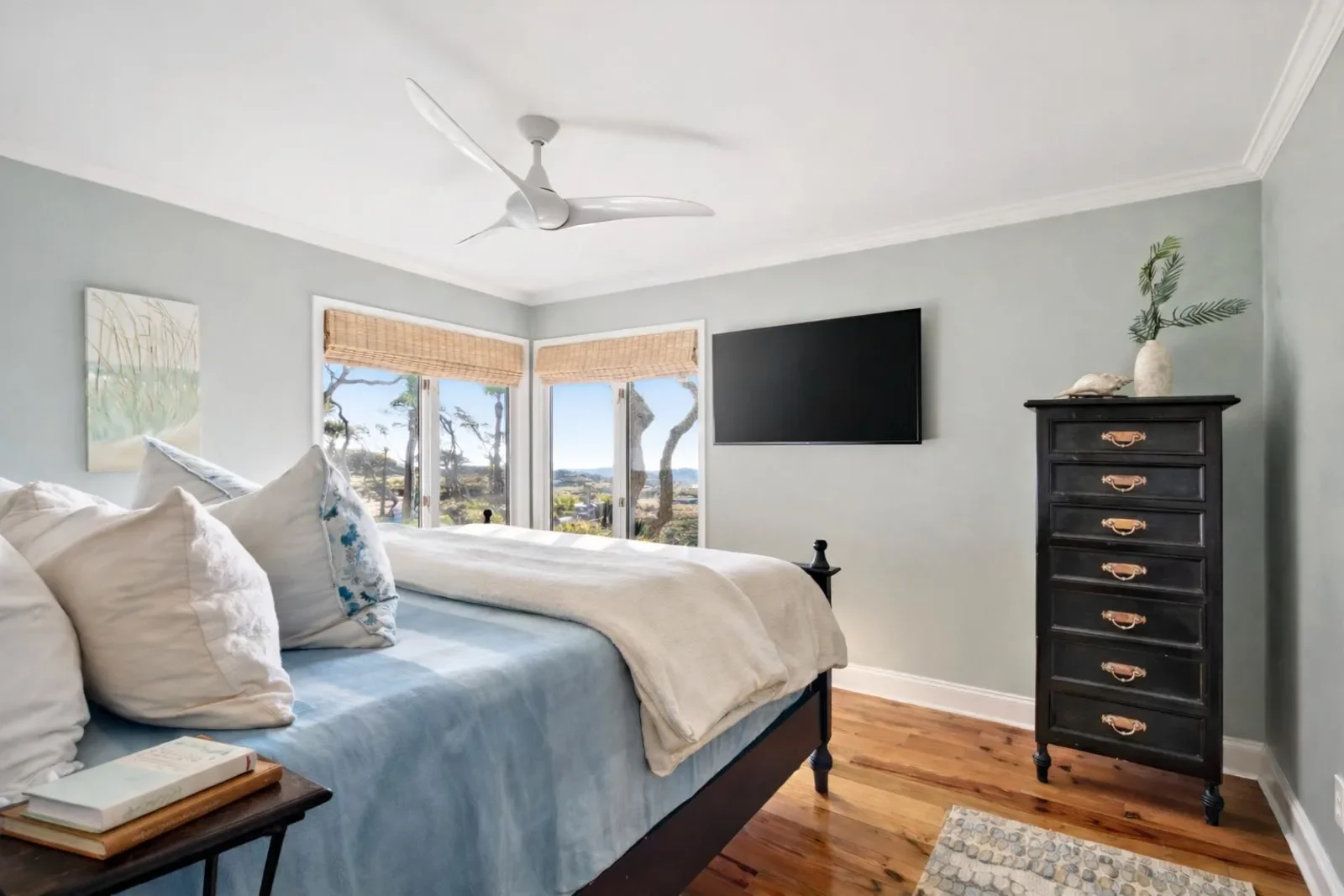
In a market where the average daily rate is $615.10 according to AirRoi’s 2026 data, guests arrive with hotel-level expectations. Properties with premium mattresses, high-quality linens, fully equipped kitchens, and interiors that look as good in person as they do in listing photos earn the repeat bookings and 5-star reviews that sustain rates year over year. Properties that were renovated a decade ago and photographed with a smartphone phone will consistently underperform, regardless of how well they are managed.
Amenity Targeting Matters More Than Amenity Volume
Not every amenity is worth the same to every guest type. A golf group booking a 4-bedroom property near Cougar Point Golf Course cares about easy course access, a functional kitchen for early breakfast, and enough sleeping space for the group. A bachelorette group booking a 3-bedroom oceanfront villa cares about the deck, the views, and whether the kitchen can accommodate a catered dinner. Listing optimization means matching the property’s amenity description and photos to the guest types most likely to book it at the highest rate, not writing a generic list of everything in the unit.

Long-Term vs. Short-Term Rental: What Kiawah Island Owners Should Know
Long-term rental versus short-term rental is a legitimate strategic question for Kiawah Island property owners, and one that almost no local management company addresses honestly. The answer is not always “short-term rental is better.” It depends on your property type, your financial goals, your tax situation, and your capacity to manage the operational complexity that short-term rentals require.
Here is a direct comparison of the two approaches in the Kiawah Island context:
| Factor | Short-Term Rental | Long-Term Rental |
|---|---|---|
| Revenue ceiling | High. Top-performing STRs generate over $162,000 annually per The Offer Sheet. | Lower. Kiawah Island average rent is approximately $9,000/month per Zillow’s 2026 data, translating to $108,000 annually before vacancy. |
| Revenue variability | High. Seasonal peaks and troughs require active management. | Low. Monthly rent is fixed for the lease term. |
| Licensing requirements | KICA inspection, annual renewal, zone cap eligibility required. | No STR license needed. Standard landlord-tenant law applies. |
| Tax obligations | South Carolina accommodations tax plus Charleston County surcharges apply per stay. | Standard rental income taxation. No per-stay tax remittance required. |
| Owner access | Flexible. You can block dates for personal use. | Restricted. Tenant occupancy limits owner access for the lease term. |
| Management complexity | High. Requires professional management or substantial owner time. | Low. Tenant handles day-to-day life in the property. |
| Wear and tear | Higher. Frequent turnover increases maintenance frequency. | Lower. Single tenant reduces turnover-related wear. |
For most oceanfront and near-oceanfront properties on Kiawah Island, the STR revenue premium is substantial enough to justify the operational complexity, provided the property is managed professionally. For properties with features that do not photograph as well or that are located further from the beach and golf courses, the gap between STR and long-term rental revenue narrows, and the long-term option becomes more competitive on a risk-adjusted basis.
If you are thinking about purchasing a Kiawah Island property as a rental investment, our post on tips for buying an investment property on Kiawah Island covers the due diligence factors specific to this market.
Frequently Asked Questions About Property Management on Kiawah Island, SC
Does Kiawah Island require a permit to operate a short-term rental?
Yes. Kiawah Island licenses short-term rentals through the Kiawah Island Community Association (KICA) on a first-come, first-served basis, with caps in some residential zones. Properties must pass a building-code inspection before receiving a license and renew annually. As of April 2026, some capped zones still had available licenses, but availability is not guaranteed. Confirm zone eligibility before purchasing a property with STR intentions.
What South Carolina taxes apply to Kiawah Island short-term rental income?
South Carolina requires short-term rental operators to collect and remit state and local accommodations taxes. Charleston County’s combined rate includes a 7% South Carolina state component plus applicable county surcharges. A professional property manager handles tax collection and remittance as part of their standard service. Self-managing owners must register with the South Carolina Department of Revenue and handle remittance independently.
How much can I realistically earn from a Kiawah Island short-term rental?
According to The Offer Sheet’s 2026 analysis, well-managed Kiawah Island short-term rentals can generate over $162,000 annually, with top-performing properties reaching monthly revenues of $13,512 or more. AirRoi’s 2026 data places the average daily rate across the island’s 624 active listings at $615.10. Actual earnings depend heavily on property location, bedroom count, interior quality, pricing strategy, and the quality of management.
Is it better to hire a local Kiawah Island property manager or use a national platform?
For most Kiawah Island owners, a local or locally based manager outperforms a national platform in on-the-ground responsiveness, knowledge of KICA regulations and inspection requirements, and the ability to handle island-specific guest questions with accuracy. National platforms offer technology scale and multi-channel distribution but typically lack the hyperlocal knowledge that Kiawah Island’s unique regulatory and demand environment requires. Evaluate any manager, local or national, on their actual compliance track record and owner reporting transparency.
What is the difference between full-service property management and co-hosting on Kiawah Island?
Full-service property management transfers complete operational responsibility to the manager, including listing ownership, pricing control, compliance management, and guest communication. Co-hosting or co-management allows the owner to retain the listing on Airbnb or VRBO while the manager handles specified operational tasks like cleaning coordination, guest messaging, and on-the-ground response. Co-hosting typically carries a lower fee (10 to 15% of gross revenue) and suits owners who want professional support without giving up direct control of their listing.
When is the best time of year to rent out a Kiawah Island property?
Late May through September is the peak season for STR occupancy and average daily rates on Kiawah Island, driven by beach and family travel. March, April, October, and November represent a strong golf-driven shoulder season that sustains above-average rates. Winter months (December through February) see lower occupancy but remain profitable for well-priced properties attracting off-season golf, nature, and holiday travel. A well-managed property generates meaningful income in every season, not just summer.
How do I know if my current Kiawah Island property manager is performing well?
Compare your property’s annual occupancy and average daily rate against Kiawah Island market benchmarks. AirRoi’s 2026 data places the market average daily rate at $615.10 with a 34.41% occupancy rate. Strong performers should exceed those figures, particularly during peak and shoulder seasons. Ask your manager for monthly performance statements, a transparent explanation of their pricing adjustments, and documentation of any compliance filings or maintenance work completed on your behalf.
Can I use my Kiawah Island property personally if it’s enrolled in a management program?
Yes. Most property management agreements allow owners to block dates for personal use. The specific process and any minimum notice requirements vary by manager. Full-service management programs at Kiawah Island Golf Resort also include owner-benefit perks like discounted golf and fitness center access when the property is enrolled in their program. Confirm owner-use policies and any associated income offsets before signing any management agreement.
Ready to Make Your Kiawah Island Property Work Harder?
Property management on Kiawah Island, SC is not a commodity service. The island’s specific regulatory environment, its licensing caps, KICA inspection requirements, South Carolina accommodations tax obligations, and the demand patterns driven by golf season, PGA events, and the broader Charleston tourism market all require a manager who knows this island specifically, not one applying a generic coastal playbook to a unique market.
In 2026, the Kiawah Island STR market remains one of South Carolina’s most resilient, outperforming the state average on occupancy and RevPAR metrics even as broader market conditions have softened. But extracting that performance requires dynamic pricing, professionally maintained properties, and airtight compliance. The owners who see consistently strong returns are the ones who treat management as a system, not an afterthought.
Managing a Kiawah Island rental well requires local knowledge, consistent systems, and the capacity to respond when something goes wrong at 8 p.m. on a Saturday. That is exactly what Kiawah Island Getaways is built to do. If any part of this guide raised a question specific to your property, the conversation starts at kiawahislandgetaways.com/kiawah-island-property-management/.
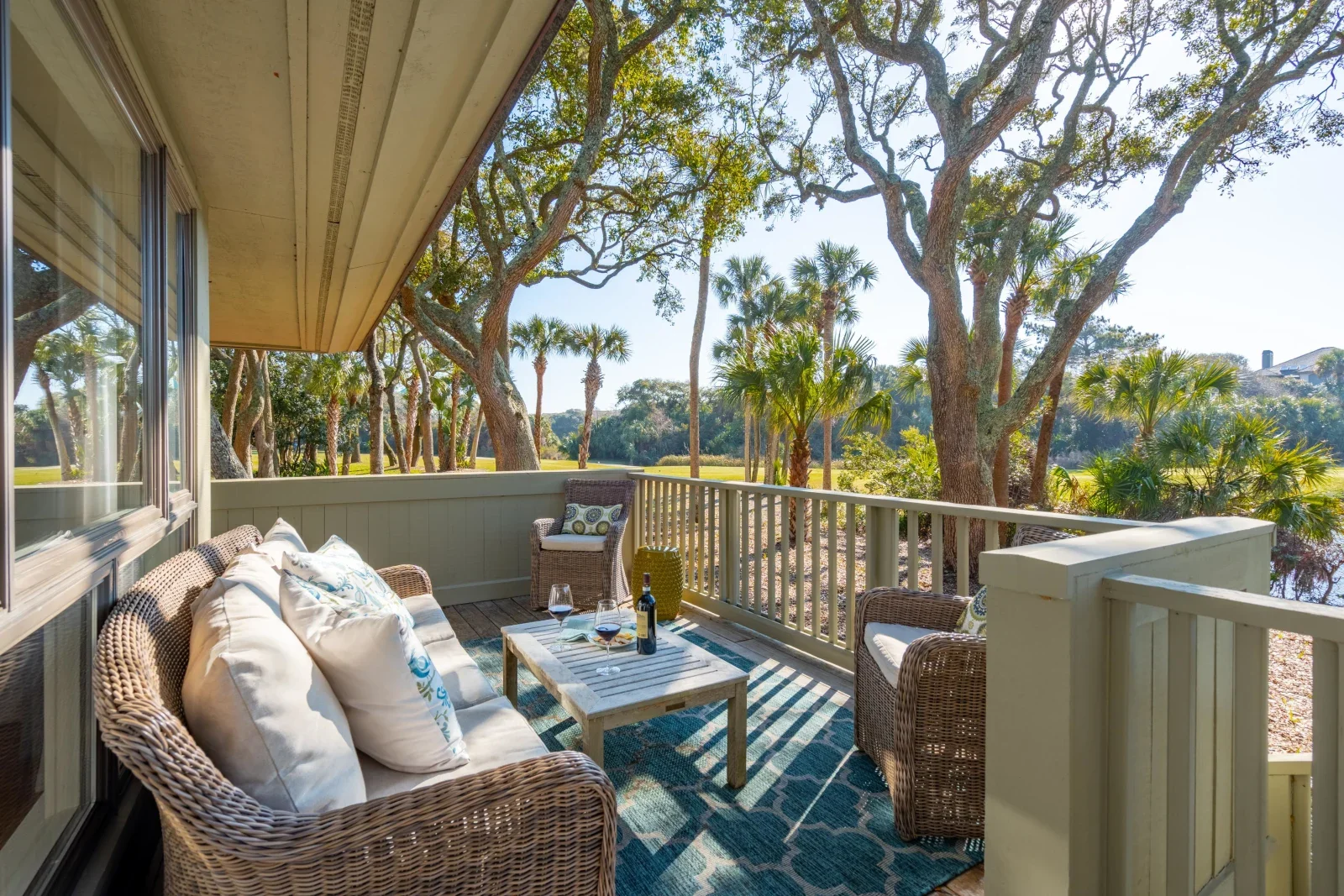
Kiawah Island Getaways manages a boutique portfolio of carefully maintained vacation rental homes and condominiums on Kiawah Island, with properties ranging from oceanfront West Beach retreats like the Tidehaus at Duneside to lagoon-view villas near Turtle Point. Whether you are exploring property management for the first time or evaluating a change in management partners, the team at Kiawah Island Getaways offers straightforward answers rooted in 25 years of operating in this specific market.
